-
Removal of water-damaged drywall, insulation, and flooring
-
Cleanup of flood-contaminated debris and materials
-
Extraction of mud, silt, and storm runoff
-
Removal of damaged roofing, siding, and structural pieces
-
Hazardous debris disposal (glass, metal, sharp objects)
-
Sanitization and antimicrobial treatment after water intrusion
-
Content pack-out and cleaning
Storm Damage Restoration
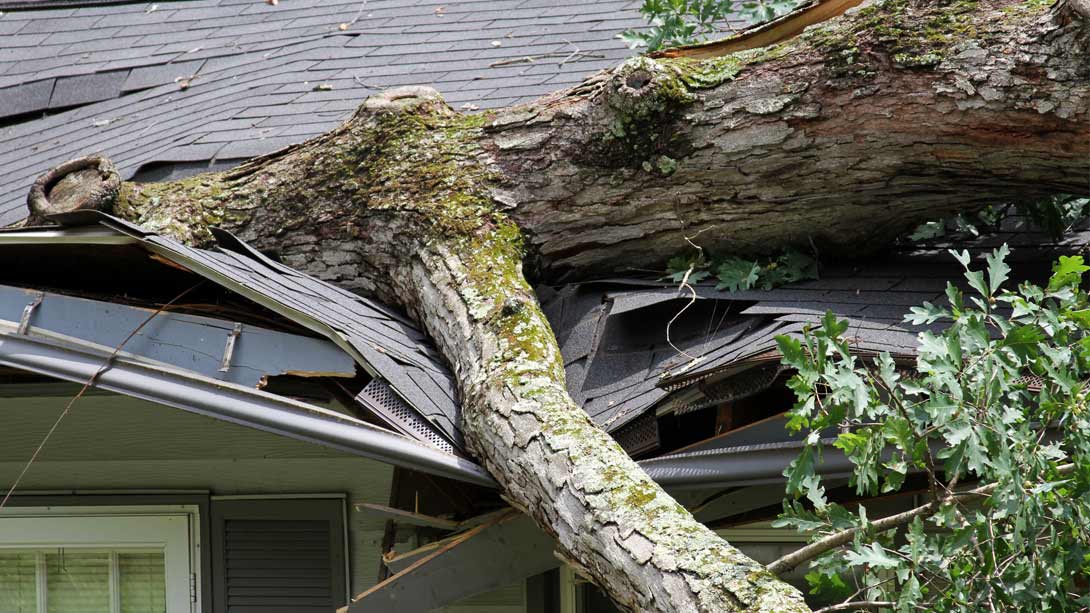
Roof & Structural Storm Damage
- Roof repair and replacement after hail, wind, or tornado damage
- Shingle, tile, and metal roof restoration
- Structural reinforcement for damaged walls or framing
- Window and door impact repair
- Garage door repair/replacement
- Attic and insulation inspection for storm impact
- Tornado or microburst structural repair
- Lightning strike damage assessment and repair
Exterior & Property Damage
- Siding repair or replacement (vinyl, wood, fiber cement)
- Exterior panel and trim restoration
- Deck and patio repair
- Fence and gate restoration
- Garage, carport, and outbuilding repair
- Exterior paint touch-up after impact damage
- Hail damage inspection and repair
- Wind damage repair for siding, roofing, and fencing
- Exterior glass and window replacement
Debris & Tree Damage Cleanup
- Fallen tree removal
- Branch and limb clearing
- Debris removal from yard, driveway, and roof
- Carport, fence, or shed restoration after debris impact
- Emergency property clearing for safety
- Storm debris hauling and disposal
- Tree strike impact restoration
The Complete Guide: Repairs, Cleanup & Insurance Support
When storms strike, damage isn’t just cosmetic—high winds, hail, heavy rain, and fallen debris can compromise your home’s structure, roof, siding, and interior, creating safety hazards and costly secondary issues like water infiltration and mold growth. Our Storm Damage Restoration services are designed to respond quickly, assess thoroughly, and restore your property to safe, pre-storm condition.
This guide walks homeowners through every step of professional storm restoration—from immediate emergency response to final repairs—ensuring clarity, insurance alignment, and peace of mind.
What Our Storm Damage Restoration Includes
-
Comprehensive Damage Assessment – Inspect roofs, siding, windows, gutters, and structural integrity.
-
Immediate Stabilization – Board-up, tarping, and debris removal to prevent further damage.
-
Water & Moisture Mitigation – Drying, extraction, and mold prevention after rain or flooding.
-
Debris Removal & Cleanup – Safe disposal of broken branches, shingles, and damaged materials.
-
Repairs & Structural Restoration – Roof, siding, window, and interior repairs to restore full functionality.
-
Insurance Documentation & Support – Detailed reports, photos, and claims assistance for a smooth approval process.
-
Final Inspection & Safety Verification – Ensuring your property is secure, fully restored, and ready for occupancy.
No shortcuts. No uncertainty. Just fast, professional storm restoration that protects your home, your belongings, and your family.
Why Homeowners Choose Us for Storm Damage Restoration
- Rapid 60-Minute Emergency Response – We’re on-site when it matters most.
- Certified Restoration Experts – IICRC-trained technicians specializing in storm damage.
- Full Cleanup & Structural Repairs – From debris removal to roof replacement, we handle it all.
- Insurance-Friendly Documentation – Simplifying claims so you can focus on recovery.
- Residential & Commercial Specialists – No property too big or too complex.
- Licensed, Bonded & Fully Insured – Trusted professionals you can rely on, 24/7/365.
How We Execute Storm Damage Restoration
1. Rapid Emergency Response & Property Stabilization
When a storm hits, every minute counts. Our team arrives fast to secure your property, assess structural damage, and prevent additional losses from wind, rain, or flooding.
Services include:
- Roof tarping and temporary repairs
- Board-up of broken windows and doors
- Structural shoring or bracing (if needed)
- Protection of valuables and personal property
- Safe removal of hazardous debris
2. Water, Debris & Contamination Mitigation
Storms often leave water intrusion, mud, and debris that can cause long-term damage. We use industry-standard techniques to clean, dry, and stabilize every affected area.
Methods include:
- Water extraction and drying with high-capacity dehumidifiers
- Debris removal from yards, roofs, and interiors
- Drywall, subfloor, and insulation assessment
- Mold and mildew prevention treatments
- Cleaning of affected HVAC systems and vents
3. Odor Control & Air Quality Restoration
Flooding and storm exposure can leave lingering odors or indoor air contaminants. We eliminate these issues at the source using advanced technology.
Tools & techniques:
- Industrial air scrubbers with HEPA filtration
- Ozone treatment to neutralize moisture-related odors
- Hydroxyl and thermal deodorization
- Continuous air quality monitoring
4. Material & Structural Restoration
Storm damage often requires removing and replacing compromised materials to ensure long-term safety.
We remove or restore:
- Damaged roofing, siding, or gutters
- Waterlogged insulation and drywall
- Flooring, carpet, or padding beyond salvage
- Hazardous debris from fallen trees or structures
- Structural components that threaten safety
5. Final Testing, Inspection & Documentation
Our restoration work is fully documented for your safety and insurance claims. We verify every area is dry, clean, and secure before leaving.
Includes:
- Moisture and air quality testing
- Structural integrity checks
- Photo documentation for insurance adjusters
- Carrier-ready reports for smooth claims processing
No guessing. No shortcuts. We make sure your home or business is safe, restored, and storm-ready—inside and out.
From First Call to Finished Repairs: What to Expect
When you hire us, we take care of every step of storm damage restoration—from emergency response to final repairs—so your home or business is safe, dry, and fully restored. Here’s what you can expect:- Roof, siding, and exterior fully repaired and secure
- Water intrusion removed and affected areas dried
- Debris cleared from interior and exterior spaces
- Damaged materials safely removed or restored
- Structural components stabilized and reinforced
- Indoor air safe, dry, and free from mold or contaminants
- Property restored to pre-storm condition—or better
What our customers say
Professional, fast, and extremely thorough. They had water extracted within hours and saved our floors.”

“Prompt and efficient”
Alex and Conner were great to work with. They were prompt and efficient, and professional. Letting me know what was going on with each step, getting us through a challenging time. Thanks guys!
Sheri Thompson
Salt Lake City, Utah
★★★★★ Review
Read on Google
Common Causes Of House Fires?
Severe weather can cause a variety of problems—some obvious, some hidden. Understanding the damage helps explain why fast, professional restoration is essential:- Roof & siding damage from high winds, hail, or flying debris
- Broken windows and doors allowing water and air inside
- Water intrusion & flooding leading to warped floors, drywall damage, and mold growth
- Fallen trees or branches puncturing structures and blocking access
- HVAC, utility, or electrical system damage from water or wind
- Debris accumulation in gutters, yards, and crawlspaces
Why Fast Response Matters
Storm damage worsens quickly:- 0–24 hours: Water begins to infiltrate, softening materials and creating stains
- 24–72 hours: Mold and mildew may start to grow in damp areas
- 3–7 days: Structural components weaken, odors develop, and secondary damage increases
- 7+ days: Long-term hazards may occur, creating costly repairs and unsafe conditions
Our Storm Damage Restoration Process
1. Emergency Response & Property Stabilization
We arrive fast to secure your property, prevent further damage, and remove hazards:
- Roof tarping and temporary repairs
- Board-up of broken windows and doors
- Structural shoring or bracing if required
- Debris removal and protection of belongings
2. Damage Assessment
We thoroughly inspect all affected areas:
- Roof, siding, and exterior damage
- Water intrusion and moisture levels
- Structural integrity of framing and supports
- HVAC and utility system impacts
3. Cleanup, Drying & Water Mitigation
We remove water, debris, and contaminants using industry-standard equipment:
- Water extraction and drying with industrial dehumidifiers
- Mold prevention and moisture monitoring
- Debris clearance from interior and exterior
- Continuous moisture checks until fully dry
4. Odor Control & Air Quality Restoration
Storms can leave lingering odors or air contaminants. We eliminate them at the source:
- HEPA air scrubbers
- Ozone and hydroxyl treatment
- Thermal drying and deodorization
- Continuous air quality testing
5. Material Removal (If Needed)
Unsalvageable materials are safely removed to prevent recurring issues:
- Water-damaged drywall, flooring, and insulation
- Compromised roofing or siding materials
- Debris from fallen trees or structural collapse
- Contents beyond restoration
6. Final Testing, Inspection & Documentation
We verify that your property is fully restored and safe:
- Moisture and air quality checks
- Structural and surface inspections
- Photo documentation for insurance
- Carrier-ready reporting for claims
Insurance Claim Support
Storm claims can be complicated—we make it simple:
- Direct communication with your insurance carrier
- Full documentation including photos, moisture readings, and detailed reports
- IICRC-compliant restoration standards
- Direct billing for covered losses (no upfront cost)
Our process protects homeowners and speeds up claim approvals.
What To Do Before We Arrive
tay safe and limit further damage:
Do:
- Move to a safe area
- Cover valuables if possible
- Shut off utilities if safe
- Attempt DIY repairs on roof, siding, or electrical systems
- Run HVAC or appliances in water-affected areas
- Enter unsafe structures
How to Prevent Future Fire Damage
Simple actions reduce future risk:
- Trim or remove vulnerable trees near structures
- Maintain roofs, gutters, and siding
- Install storm-rated windows and doors
- Elevate or protect HVAC and utility units
- Seal basements and crawlspaces against flooding
- Maintain proper drainage and landscaping
- Consider storm shutters or protective barriers
We also offer full storm-risk assessments to protect your property long-term
Areas We Serve
We provide full-service water damage restoration across:
Equipment & Technology We Use for Storm Damage Restoration
Storm damage requires more than tarps and tools—it demands professional-grade equipment engineered to dry, clean, stabilize, and restore your property safely and quickly. We use advanced restoration technology to handle everything from water intrusion to structural impact:
- HEPA air scrubbers for removing airborne debris, dust, spores, and contaminants
- Industrial dehumidifiers & air movers to dry saturated structures fast
- Moisture meters & thermal imaging cameras to locate hidden water behind walls, ceilings, and flooring
- Water extraction units for floodwater and intrusion cleanup
- Negative air containment systems to control contamination and protect unaffected areas
- Commercial demolition & debris-removal tools for safe tear-out of damaged materials
- Odor removal systems including hydroxyl and ozone treatment
- Disinfectants & antimicrobial solutions for mold prevention after water exposure
- Sump pumps & high-capacity vacuums for severe water intrusion
Advanced technology = faster drying, safer cleanup, better protection against mold, structural issues, and long-term damage.
Certifications & Compliance
Your property deserves certified, qualified professionals—not guesswork. Our storm restoration crews meet the industry’s highest standards:
- IICRC-Certified Technicians (WRT, ASD, AMRT)
- EPA-Approved Cleaning & Disinfection Protocols
- OSHA-Compliant Safety Procedures
- Licensed, Bonded & Fully Insured Team
- Background-Checked Restoration Specialists
- Carrier-ready documentation for insurance compliance
Frequently Asked Questions about Water Damage Restoration
What should I do first after my home is damaged by a storm?
Your safety comes first. If the structure is unsafe, evacuate immediately. Once safe, document visible damage with photos and call a professional restoration company for emergency tarping, board-up, and water mitigation. Fast action prevents secondary damage like mold, rot, and structural issues.
How quickly can you respond after a storm?
We offer 24/7 emergency response with rapid dispatch during severe weather events. In most cases, we arrive within 60 minutes to stabilize the property, prevent further damage, and begin the assessment.
Will you work with my insurance company?
Yes. We handle the entire insurance process for you—documentation, photos, moisture readings, repair estimates, and direct communication with your adjuster. Most storm-related damage is covered, and we provide direct billing on approved claims.
How do I know if I have hidden storm damage?
Not all storm damage is visible. Wind-driven rain, roof punctures, siding damage, and attic leaks often hide behind walls or ceilings. We use thermal imaging cameras and moisture meters to detect hidden water, structural damage, and areas at risk for mold.
How long does storm damage restoration take?
It depends on the severity. Emergency stabilization happens immediately. Drying usually takes 2–5 days, and repairs can take anywhere from a few days to several weeks depending on roofing, structural, or interior rebuild needs. We provide a clear timeline after inspection.
Can you handle both the cleanup and the rebuild?
Yes. We manage the full process: tarping, water removal, drying, debris cleanup, mold prevention, structural repairs, roofing, siding, and interior restoration. You don’t need multiple contractors—we handle everything from start to finish.
What types of storm damage do you repair?
We restore all forms of storm-related damage, including:
- Roof and siding damage
- Wind, hail, and impact destruction
- Flooding and water intrusion
- Broken windows/doors
- Fallen trees and debris damage
- Structural instability
- Hidden moisture & mold risk