
- HEPA air filtration
- Negative air pressure remediation
- Broad-spectrum antimicrobial fogging
- HVAC cleaning for spores
- Encapsulant application on treated surfaces
Mold Damage Remediation
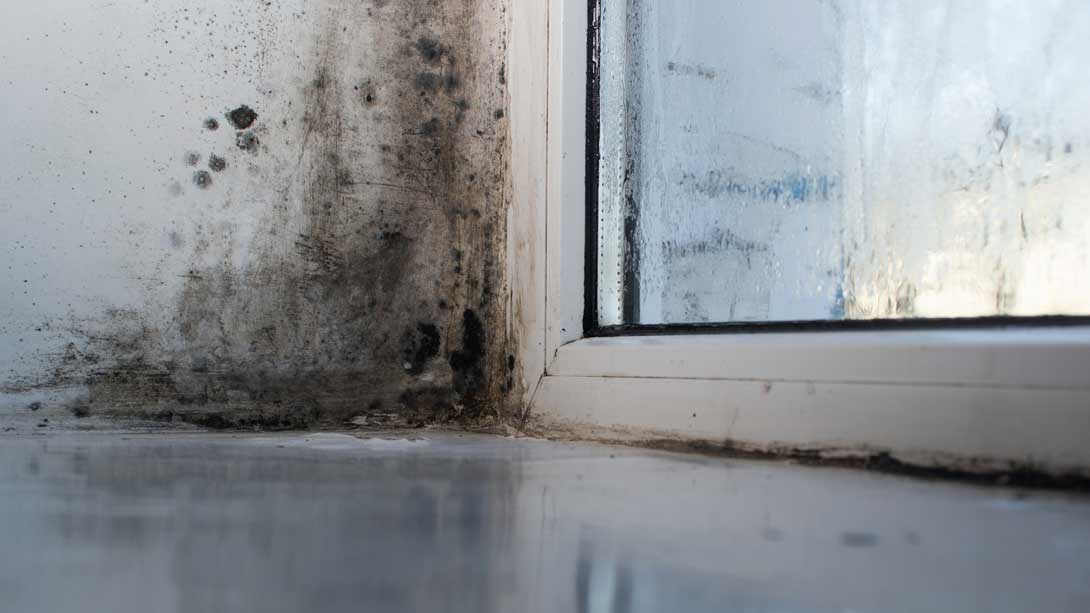
Mold Containment & Control
- Mold source identification & moisture mapping
- HEPA air scrubber setup for containment pressure
- Contaminated HVAC isolation & sealing
- Cleanroom-style entrance/exit chamber setup
- Pre-remediation HEPA vacuuming of spores
Mold Removal & Surface Cleaning
- Non-porous surface mold removal
- Semi-porous scrubbing/sanding
- Porous material removal (drywall, insulation)
- Wood framing mold-stain reduction
- Antimicrobial/fungicide application
- Room, wall-cavity & crawlspace isolation
Structural Drying & Moisture Reduction
- Dehumidification & humidity control
- Structural drying (studs, subfloor, sheathing)
- Crawlspace/attic moisture reduction
- Air mover drying for hidden area
- Moisture meter verification
Air Quality & Prevention
The Complete Guide: Mold Remediation — Services, Process & Safety Standards
Mold isn’t just a surface problem—it spreads through air, hides inside building materials, and thrives anywhere moisture lingers. Our Mold Remediation service is built to identify the source, stop the spread, remove contamination, and restore healthy indoor air.
This guide walks you through the core services, industry practices, and cleanup standards that define professional mold remediation. It’s written for clarity, insurance alignment, and to help you understand what actually happens between the initial inspection and final clearance.
Every mold remediation project includes:
- Comprehensive mold & moisture inspection
- Containment setup to prevent cross-contamination
- Removal of mold-affected building materials
- HEPA cleaning & surface decontamination
- Air filtration to reduce airborne spores
- Moisture correction & prevention measures
- Full documentation for insurance carriers
- Final verification that the area is safe, dry, and clean
Why Choose Us for Mold Remediation?
- Fast response to limit further spread
- IICRC-trained technicians (AMRT)
- Professional containment, HEPA filtration & structural cleaning
- Insurance-ready documentation and direct carrier coordination
- Residential, commercial & multi-unit experience
- Licensed, bonded & fully insured
- Trusted, highly rated remediation team
- Available 24/7 for urgent concerns
How We Execute Mold Remediation
1. Inspection, Moisture Diagnosis & Containment
Effective mold remediation starts with understanding why mold is growing. We identify the moisture source, map affected areas, and immediately isolate the contaminated zone.
Typical actions include:
- Moisture source identification
- Infrared & hygrometer mapping to locate hidden growth
- Containment barriers to stop spore spread
- Negative air pressure setup
- HVAC isolation to protect the rest of the property
The focus here is stopping cross-contamination before removal begins.
2. Removal of Mold-Impacted Materials
Mold-affected building materials that cannot be cleaned must be removed safely and systematically.
This often includes:
- Contaminated drywall
- Insulation
- Carpet/pad or soft materials
- Severely affected framing or trim (in advanced cases)
- Debris and dust containing mold spores
All materials are bagged, sealed, and disposed of according to remediation standards.
3. Deep Cleaning, HEPA Filtration & Surface Treatment
After source materials are removed, remaining structural surfaces must be fully cleaned and decontaminated.
Typical methods include:
- HEPA vacuuming of all surfaces
- Scrubbing, sanding, or abrasive cleaning for semi-porous materials
- Antimicrobial application to cleaned surfaces
- Cavity cleaning (wall, ceiling, attic, crawlspace)
- HEPA air scrubbers running continuously to capture airborne spores
This stage focuses on eliminating both visible growth and microscopic residue.
4. Drying, Humidity Correction & Prevention Measures
Mold doesn’t return when moisture is controlled. We ensure the environment is stable, dry, and resistant to future growth.
This can involve:
- Structural drying equipment
- Dehumidification
- Humidity normalization
- Verification with moisture meters
- Recommendations for ventilation, drainage, or enclosure improvements
The goal is a dry, stable environment where mold cannot re-establish.
5. Post-Remediation Verification & Documentation
We confirm the space is clean, safe, and ready for reconstruction or re-occupancy.
Verification typically includes:
- Surface cleanliness checks
- Airborne particle/spore evaluation (clearance testing when required)
- Moisture content confirmation
- Full photo documentation
- Insurance-ready reporting
We only consider a project complete when the area is clean, dry, and verifiably mold-free.
What the Space Looks Like Once Mold Is Fully Remediated
When we’re finished, you’ll see:
- Every contaminated material that couldn’t be salvaged is gone
- Remaining structural surfaces are clean, treated, and dry
- Hidden cavities (wall, ceiling, floor) are cleared of growth and debris
- Moisture levels are verified low — not “ok,” but safe
- Air doesn’t feel heavy, damp, or musty anymore
- The environment is stable enough for rebuild without risk of regrowth
What our customers say
Professional, fast, and extremely thorough. They had water extracted within hours and saved our floors.”
“Very timely and professional”
"Lawrence and his crew, Jessie, Dan, and Cedric did a great job with my water damage. They communicated, they showed up on time, and always kept us informed. Very knowledgeable and nice guys. Lawrence really helped me with getting the insurance involved and understanding the process. They have great connections with plumbers and construction teams that are completing the job after the water damage issue was fixed. Highly recommend."
Shelly Acord
Kansas City, Missouri
★★★★★ Review
Read on Google
Common Causes of Mold Growth
Most indoor mold problems come from one of these moisture sources:
- Hidden plumbing leaks
- Roof, gutter, or flashing failures
- Slow appliance or HVAC condensation
- Crawlspace humidity and poor ventilation
- Basement seepage or foundation cracks
- Flooding or storm intrusion
- Long-term humidity above 60%
- Attic moisture from poor insulation/venting
Finding the moisture source determines the remediation plan.
Why Fast Response Matters
Mold escalates quickly when moisture remains:
- 0–48 hours: spores activate and begin colonizing damp surfaces
- 2–5 days: growth spreads into drywall, carpet, and insulation
- 5–10 days: structural materials start absorbing moisture deeply
- 10+ days: colonies penetrate cavities and air quality degrades significantly
Quick action = less demolition, lower cost, cleaner air, faster clearance.
Our Mold Remediation Process
1. Moisture Detection & Source Identification
We inspect the entire structure to find hidden leaks, wet materials, and areas where mold is spreading.
2. Containment & Air Control
We prevent spores from spreading using poly barriers, negative air pressure, and HVAC isolation.
3. Removal of Mold-Impacted Materials
Drywall, insulation, carpet, or other porous materials that can’t be cleaned are safely removed and bagged.
4. Surface Cleaning & HEPA Decontamination
All remaining structural surfaces are HEPA-vacuumed, scrubbed, and treated with antimicrobial solutions.
5. Air Filtration & Environmental Cleaning
Commercial HEPA scrubbers reduce airborne spores and clean the breathing environment.
6. Structural Drying & Moisture Correction
We stabilize moisture levels using dehumidifiers and drying systems to ensure mold cannot return.
7. Final Verification & Documentation
We confirm:
- surfaces are clean
- moisture levels are safe
- air quality is restored
- moisture readings
- photo documentation
- material-removal notes
- clearance/verification results (if required)
Insurance Claim Support
Mold claims can be complicated, so we streamline the process.
We:
- Work directly with your adjuster
- Provide full documentation, photos, and moisture logs
- Follow IICRC S520 mold remediation standards
- Offer direct billing when approved
Our documentation speeds up decision-making and reduces back-and-forth.
What To Do Before We Arrive
Do:
- Keep the affected area closed off
- Reduce humidity if possible
- Move valuables out of wet areas (if safe)
Don’t:
- Disturb visible mold
- Run the HVAC system
- Use fans (spreads spores)
- Spray bleach or household cleaners
- Remove materials yourself
We’ll handle containment, removal, and air control once on-site.
How to Prevent Future Mold Issues
Simple maintenance prevents long-term mold problems:
- Fix plumbing leaks promptly
- Keep humidity under 50%
- Ensure proper attic and crawlspace ventilation
- Maintain gutters and drainage
- Use exhaust fans in kitchens and bathrooms
- Address foundation or basement seepage
- Replace air filters regularly
Areas We Serve
We provide full-service mold remediation across:
Equipment & Technology We Use
- HEPA air scrubbers
- Negative air containment systems
- Commercial dehumidifiers
- HEPA vacuums
- Antimicrobial and biocide treatments
- Moisture meters & hygrometers
- Infrared cameras
- Specialty demolition tools
Professional equipment ensures clean air, safe removal, and proper drying.
Certifications & Compliance
- IICRC Certified (AMRT, WRT)
- EPA-Approved Antimicrobial Protocols
- OSHA-Compliant Safety Procedures
- Licensed, Bonded & Insured
- Background-Checked Technicians
Frequently Asked Questions about Mold Damage Remediation
What are the signs I need professional mold remediation?
Musty odors, visible mold, recent leaks, water-stained walls, high humidity, or allergy-like symptoms all point to a mold problem that needs certified remediation.
How dangerous is mold for my health and home?
Mold can trigger respiratory issues, worsen allergies, and damage drywall, insulation, and framing. Some species spread fast and require proper containment to remove safely.
Can I clean mold myself, or do I need certified professionals?
Small surface spots may be safe to wipe, but anything larger, hidden, or inside porous materials needs IICRC-certified pros to prevent cross-contamination and regrowth.
How long does mold remediation take?
Most mold jobs take a few days depending on contamination levels, moisture source, and whether materials like drywall or insulation must be removed.
Does homeowners insurance cover mold remediation?
Policies sometimes cover mold if it’s tied to a sudden, covered water loss. Mold from long-term leaks or humidity is typically excluded.
What does professional mold remediation include?
Expect moisture detection, containment, HEPA air filtration, removal of contaminated materials, antimicrobial treatment, structural drying, and optional clearance testing.
How do I prevent mold from returning after remediation?
Fix moisture issues, improve ventilation, control humidity, and keep high-risk areas dry. Addressing water problems is the key to long-term prevention.