
Ceiling and Attic Drying
Professional Ceiling and Attic Drying for Hidden Moisture Removal
Ceiling and Attic Drying Service
Professional Moisture Removal for Ceilings and Attics
Ceiling and attic drying service focuses on removing trapped moisture from ceiling cavities and attic spaces. Specialized drying methods are used to address hard-to-reach areas and protect structural materials from prolonged moisture exposure.
Strategic Equipment Placement
Professional drying equipment is carefully positioned to deliver controlled airflow across affected ceiling materials and attic structures. This targeted approach allows ceiling and attic drying to effectively extract moisture from drywall, framing, and insulation.
Advanced Dehumidification Control
Commercial-grade dehumidifiers are used to regulate humidity levels and remove excess moisture from the air. Proper humidity control is a critical component of ceiling and attic drying service, helping prevent mold growth and secondary water damage.
Ongoing Moisture Monitoring
Throughout the ceiling and attic drying service, moisture levels are monitored to ensure effective drying. Equipment placement and settings are adjusted as needed to maintain consistent airflow and optimal humidity control.
Benefits of Ceiling and Attic Drying Service
Ceiling and attic drying service reduces drying time, minimizes material damage, and supports efficient restoration. Proper moisture removal helps protect structural components and reduces the risk of mold, odors, and hidden water damage.
Using professional ceiling and attic drying equipment provides reliable moisture control and long-term protection for residential and commercial properties.
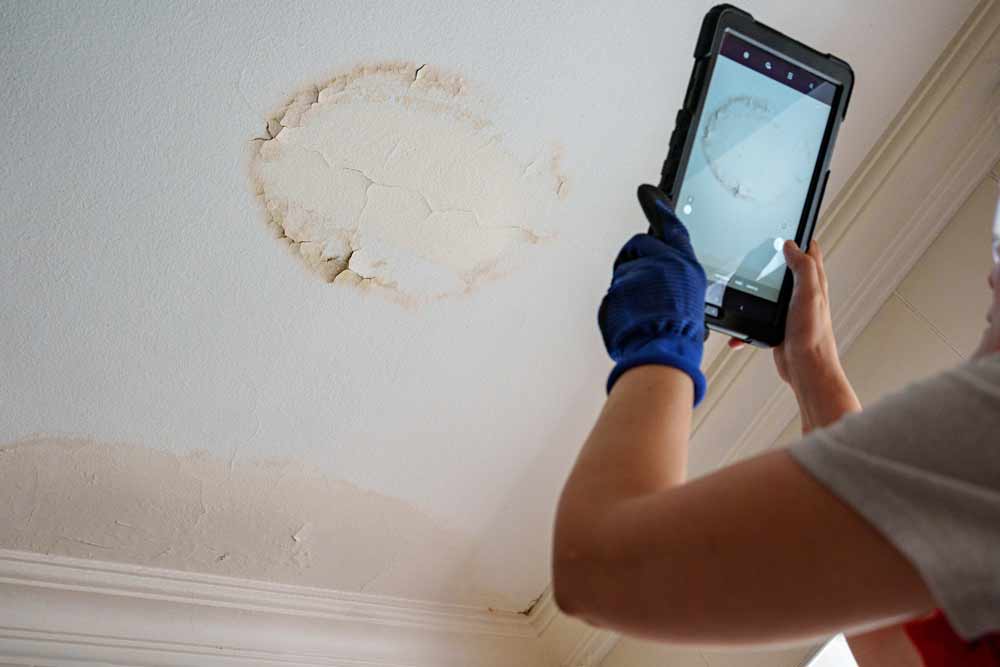
Ceiling and Attic Drying Process
Inspection and Moisture Detection
The ceiling and attic drying process begins with a detailed inspection to identify moisture trapped above ceilings and within attic spaces. Professional moisture detection tools are used to locate hidden moisture in drywall, insulation, and structural components.
Moisture Removal and Controlled Drying
Once moisture is identified, the ceiling and attic drying process uses specialized equipment to address confined and hard-to-reach areas. Controlled drying helps remove trapped moisture while preventing further saturation of surrounding materials.
Drying and Dehumidification
Industrial air movers and commercial dehumidifiers are strategically placed to dry ceiling cavities and attic areas. This phase of the ceiling and attic drying process removes moisture from both the air and structural materials, helping prevent mold growth and hidden water damage.
Monitoring and Drying Adjustments
Throughout the ceiling and attic drying process, moisture levels are regularly monitored to ensure effective drying. Equipment placement and settings are adjusted as needed to maintain proper airflow and humidity control.
Common Causes of Ceiling and Attic Moisture
- Roof leaks and damaged shingles
- Ice dams and poor roof ventilation
- Plumbing leaks above ceilings
- HVAC condensation and duct leaks
- Storm-related water intrusion
- Overflowing fixtures in upper levels
Why Fast Ceiling and Attic Drying Matters
Ceiling and attic drying should begin as quickly as possible to minimize long-term damage. Delays can lead to mold growth, stained ceilings, compromised insulation, and weakened structural components.
Moist conditions in ceilings and attics can allow mold to develop rapidly, making immediate moisture removal and dehumidification essential for protecting the property and maintaining a safe indoor environment.
Contact Us About Water Cleanup
How fast should water damage be cleaned up?
Immediately. Delays increase damage and the likelihood of mold growth.
What equipment is used during water damage cleanup?
Professional water damage cleanup uses commercial-grade extraction units, air movers, dehumidifiers, and moisture meters to fully remove water and dry affected materials.
Can hidden water damage be detected?
Yes. Specialized moisture detection tools can locate water behind walls, under flooring, and inside insulation where damage isn’t visible to the eye.
Will my insurance cover water damage cleanup?
Many insurance policies cover water damage cleanup for sudden events like burst pipes or appliance failures. Coverage depends on the cause of the damage and your specific policy.